Mono- and diglycerides of fatty acids (E471)
Mono- and diglycerides of fatty acids (E471) is one of the markers Open Food Facts uses to classify a food as ultra-processed (NOVA group 4).
What it is and why it counts
Mono- and diglycerides of fatty acids are made from fats and glycerol. They are among the most widely used emulsifiers in bread, cakes, ice cream and spreads.
Cosmetic additives
NOVA calls these additives "cosmetic": they change how a product looks, feels or tastes rather than keeping it safe to eat. Their presence is one of the two defining signs of an ultra-processed food.
Function
- Emulsifier
- Emulsifiers are substances which make it possible to form or maintain a homogenous mixture of two or more immiscible phases such as oil and water in a foodstuff.
- Stabiliser
- Stabilisers are substances which make it possible to maintain the physico-chemical state of a foodstuff; stabilisers include substances which enable the maintenance of a homogenous dispersion of two or more immiscible substances in a foodstuff, substances which stabilise, retain or intensify an existing colour of a foodstuff and substances which increase the binding capacity of the food, including the formation of cross-links between proteins enabling the binding of food pieces into re-constituted food.
More about mono- and diglycerides of fatty acids (E471) on Wikidata
Where it turns up
Mono- and diglycerides of fatty acids (E471) appears in 1,897 of the 40,000 products on this site (5%).
Products containing mono- and diglycerides of fatty acids (E471)
-
Pains au lait
Brioche Pasquier · x10 (350g)
 NOVA group
4
NOVA group
4
-
Wholemeal No Added Sugar
Warburtons
 NOVA group
4
NOVA group
4
-
Original Seeded Batch
Warburtons · 800g
 NOVA group
4
NOVA group
4
-
Good Day cashew cookie
Britannia · 30.2 g
 NOVA group
4
NOVA group
4
-
Wholemeal Bread
Warburtons · 18 Slices, 800g
 NOVA group
4
NOVA group
4
-
Wraps WHEAT & WHITE
Mission
 NOVA group
4
NOVA group
4
-
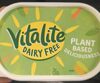
54% Vegetable Fat Spread
Vitalite · 500 g
 NOVA group
4
NOVA group
4
-
Creamy Peanut Butter
Jif · 16oz
 NOVA group
4
NOVA group
4
-
Butter
Flora · 450g
 NOVA group
4
NOVA group
4
-
Soft White
Hovis · 800 g
 NOVA group
4
NOVA group
4
-
Benecol Spread
Benecol · 500g
 NOVA group
4
NOVA group
4
-
Tortillas de trigo
General Mills Inc. · 326g
 NOVA group
4
NOVA group
4
-
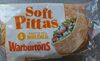
Soft Pittas
Warburtons · 4
 NOVA group
4
NOVA group
4
-
Jaffa Cakes
Tower Gate · 300 gram
 NOVA group
4
NOVA group
4
-
Peanut Butter Crunch
Fleischer · 1pcs
 NOVA group
4
NOVA group
4
-
Wraps Original
Mission · 6 367g
 NOVA group
4
NOVA group
4
-
Green Pesto with Basil
Baresa · 190g
 NOVA group
4
NOVA group
4
- Wholemeal Seeded Loaf Specially Selected NOVA group 4
-
Traditional Dairy Ice Cream
Mackie's of Scotland · 1L
 NOVA group
4
NOVA group
4
-
Sour Cream & Onion
Pringles
 NOVA group
4
NOVA group
4
-
Baileys - Original Irish Cream
Baileys · 0,7 Liter
 NOVA group
4
NOVA group
4
-
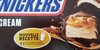
Snickers Ice Cream New Recipe
Snickers · 319.2 g (352.1 ml)
 NOVA group
4
NOVA group
4
-
Peanut Butter Pretzels
Kirkland Signature · 55 oz
 NOVA group
4
NOVA group
4
-
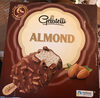
Eis Mandel 6er Pack
Bon Gelati · 504g
 NOVA group
4
NOVA group
4
-
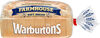
Soft White Farmhouse
Warburtons · 800g, 19 slices
 NOVA group
4
NOVA group
4
-
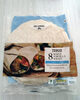
White Tortilla Wraps
Tesco · 8 Pack
 NOVA group
4
NOVA group
4
-
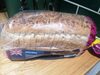
Superseed Farmhouse
Specially Selected · 800g
 NOVA group
4
NOVA group
4
-
Wholemeal Loaf
Warburtons · 700g
 NOVA group
4
NOVA group
4
-
Best of Both 50% White & 50% Wholemeal Flour Bread
Hovis · 800g
 NOVA group
4
NOVA group
4
-
Extra Thick Sliced White Bread with a Wheat and Rice Topping
Warburtons · 600g
 NOVA group
4
NOVA group
4
-
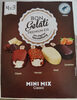
Mini Mix Classic
Bon Gelati · 50g
 NOVA group
4
NOVA group
4
-
Cornish Clotted Cream
Kelly's · 950ml
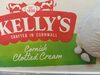 NOVA group
4
NOVA group
4
-
Wholemeal Tortilla Wraps
Tesco · 8 x 61 g
 NOVA group
4
NOVA group
4
-
Sunflower & Pumpkin Loaf
Tesco finest
 NOVA group
4
NOVA group
4
-
Marbre au cacao
Schär · 250g
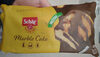 NOVA group
4
NOVA group
4
-
Gifflar Kanel
Pågen · 300 g
 NOVA group
4
NOVA group
4
-
Bolachas Recheadas Framboesa
Cudey · 300g
 NOVA group
4
NOVA group
4
-
Outdoor Bred Proper Porkers 6 British Sausages with rubbed sage
The Jolly Hog · 400 g
 NOVA group
4
NOVA group
4
-
Bertolli light
Bertolli · 450 g
 NOVA group
4
NOVA group
4
-
Smooth
Kraft · 1 kg
 NOVA group
4
NOVA group
4
-
Potato Snacks
Pom-Bear · 13g
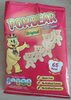 NOVA group
4
NOVA group
4
-
Soft pitta
Warburtons · 4 peices
 NOVA group
4
NOVA group
4
-
Brunch Choc Chip
Cadbury · 5 x 28g (140g)
 NOVA group
4
NOVA group
4
-
Nudelsuppe Jin Ramen Mild Noodle Soup
Otoki · 120g
 NOVA group
4
NOVA group
4
-
Light
Benecol · 500g
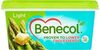 NOVA group
4
NOVA group
4
-
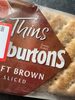
Brown Thins
Warburtons
 NOVA group
4
NOVA group
4
-
Schokoladenpudding mit Sahne
LiDL · 200g
 NOVA group
4
NOVA group
4
-
Le Sfoglie Puff Pastry
Italiamo · 225 g e
 NOVA group
4
NOVA group
4
-
Protein Plant Powered Wheat Flour Tortilla Wraps
Mission
 NOVA group
4
NOVA group
4
-
Quality Street
Nestlé · 600gm
 NOVA group
4
NOVA group
4
-
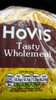
Wholemeal Bread
Hovis · 400g
 NOVA group
4
NOVA group
4
-
Tortilla Wraps
Whitworths Mill Bakery · 6 wraps 366g
 NOVA group
4
NOVA group
4
-
Smooth Peanut Butter
Kraft · 500 g
 NOVA group
4
NOVA group
4
-
Celebrations
Mars Foods · 550 g
 NOVA group
4
NOVA group
4
-
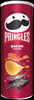
Pringles Smokey Bacon Flavour
Pringles · 175g
 NOVA group
4
NOVA group
4
-
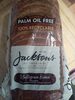
MULTIGRAIN Bloomer
Jacksons of Yorkshire · 800g
 NOVA group
4
NOVA group
4
-
Texas BBQ Sauce
Pringles · 185g
 NOVA group
4
NOVA group
4
-
Mini Panettone Classico
Favorina · 100 g e
 NOVA group
4
NOVA group
4
-
Swedish Glace dairy-free smooth Vanilla
Wall's · 394 g
 NOVA group
4
NOVA group
4
-
Madagascan Vanilla
Carte d'Or · 900 ml
 NOVA group
4
NOVA group
4