Is Velveeta Original Pasteurized Recipe Cheese Product ultra-processed?

Yes, it's ultra-processed
- 1 Unprocessed
- 2 Kitchen staple
- 3 Processed
- 4 Ultra-processed
Signs of ultra-processing in its ingredients:
- 21 ingredients
- 5 additives
- Nutri-Score D
Less processed cheeses


Ingredients
Ultra-processing Processing
skim milk, milk, milk protein concentrate (ultra-processing marker), canola oil, whey (ultra-processing marker), sodium phosphate, whey protein (ultra-processing marker), contains less than 2% of modified food starch, maltodextrin (ultra-processing marker), salt (processing marker), calcium phosphate, lactic acid, sorbic acid as a preservative, milkfat, sodium alginate (ultra-processing marker), sodium citrate, enzymes, cheese culture, apocarotenal (ultra-processing marker), annatto (ultra-processing marker) (color (ultra-processing marker))
Additives: E160b Annatto , E160e Beta-apo-8′-carotenal (c30) , E270 Lactic acid , E331 Sodium citrates , E401 Sodium alginate
As written on the pack
skim milk, milk, milk protein concentrate, canola oil, whey, sodium phosphate, whey protein concentrate, contains less than 2% of modified food starch, maltodextrin, salt, calcium phosphate, lactic acid, sorbic acid as a preservative, milkfat, sodium alginate, sodium citrate, enzymes, cheese culture, apocarotenal and annatto (color),
What makes it ultra-processed
Cosmetic additives
Added to change how the food looks, feels or tastes, not to keep it safe. A hallmark of ultra-processed food.
- E160b Annatto Colours are substances which add or restore colour in a food, and include natural constituents of foods and natural sources which are normally not consumed as foods as such and not normally used as characteristic ingredients of food.
- E160e Beta-apo-8′-carotenal (c30) Colours are substances which add or restore colour in a food, and include natural constituents of foods and natural sources which are normally not consumed as foods as such and not normally used as characteristic ingredients of food.
- E401 Sodium alginate A food additive used to dissolve, dilute, disperse or otherwise physically modify a food additive or nutrient without altering its function -and without exerting any technological effect itself- in order to facilitate its handling, application or use of the food additive or nutrient.
- Colour Colours are added to restore colour lost in processing or to make a product look more appealing.
Substances rarely used in home kitchens
Refined or extracted in factories, such as syrups made from starch or isolated proteins. The other hallmark of ultra-processed food.
- Maltodextrin Maltodextrin is a white powder made by partly breaking down starch.
- Milk proteins Milk proteins are proteins separated from milk, such as caseinates and whey protein concentrates, added to adjust texture or raise protein content.
- Whey Whey is the liquid left over from cheese making, usually dried into a powder and used as a cheap source of milk solids, protein and lactose.
2 ingredients that would only make it processed
Kitchen staples like sugar, salt and oil. On their own they make a food processed, not ultra-processed.
- Cheeses Products in the category "Cheeses" are at least group 3.
- Salt Salt, added for taste and preservation.
Among 1,224 cheeses
From least to most processed, this one ranks 1181st. 38% of the cheeses here are ultra-processed.


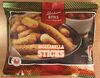

About this information
- Data from this product on Open Food Facts (barcode 0021000611614, last edited 25 March 2026), available under the Open Database License. If something is wrong or the recipe has changed, you can correct it there.
- Photo: Open Food Facts contributors, CC BY-SA 3.0.
- The NOVA group is an automated estimate from crowdsourced data: a missing or mistyped ingredient can change it.
- NOVA measures processing, not nutrition. For nutrition, Open Food Facts gives this product a Nutri-Score of D (from A, best, to E).
- General information, not medical or dietary advice. Check the pack if you have an allergy.