Is Jus-Rol Croissants ultra-processed?

Yes, it's ultra-processed
- 1 Unprocessed
- 2 Kitchen staple
- 3 Processed
- 4 Ultra-processed
Signs of ultra-processing in its ingredients:
- 32 ingredients
- 8 additives
Less processed croissants


Ingredients
Ultra-processing Processing
Wheat flour, margarine (vegetable fats (processing marker), oils (palm oils, rapeseed oils), water, emulsifiers (ultra-processing marker) (mono- and diglycerides of fatty acids (ultra-processing marker)), salt (processing marker), acid (citric acid)), water, sugar (processing marker), wheat gluten (ultra-processing marker), dextrose (ultra-processing marker), raising agents (glucono-delta-lactone, potassium carbonates, diphosphates (ultra-processing marker)), ethyl alcohol, salt (processing marker), thickener (ultra-processing marker) (xanthan gum (ultra-processing marker)), flavouring (ultra-processing marker), stabiliser (magnesium chloride), colour (ultra-processing marker) (carotenes (ultra-processing marker)), flour treatment agent (ascorbic acid), do not eat raw dough
Additives: E1510 Ethanol , E160a Carotene , E300 Ascorbic acid , E330 Citric acid , E415 Xanthan gum , E450 Diphosphates , E471 Mono- and diglycerides of fatty acids , E575 Glucono-delta-lactone
As written on the pack
Wheat flour, margarine (vegetable fats and oils (palm, rapeseed), water, emulsifiers (mono-and diglycerides of fatty acids), salt, acid (citric acid)). water, sugar, wheat gluten, dextrose, raising agents (glucono-delta-lactone, potassium carbonates, diphosphates), ethyl alcohol, salt, thickener (xanthan gum), flavouring, stabiliser (magnesium chloride), colour (carotenes), flour treatment agent (ascorbic acid). For allergens, see ingredients in bold. May contain milk. DO NOT EAT RAW DOUGH.
What makes it ultra-processed
Cosmetic additives
Added to change how the food looks, feels or tastes, not to keep it safe. A hallmark of ultra-processed food.
- E160a Carotene Carotenes are orange-yellow pigments, either synthesised or extracted from carrots, algae or palm oil.
- E415 Xanthan gum Xanthan gum is a thickener made by fermenting sugar with the bacterium Xanthomonas campestris.
- E450 Diphosphates Diphosphates are phosphate salts used as raising agents in baking powder, and to hold water in processed meats and cheese.
- E471 Mono- and diglycerides of fatty acids Mono- and diglycerides of fatty acids are made from fats and glycerol.
- Colour Colours are added to restore colour lost in processing or to make a product look more appealing.
- Emulsifier Emulsifiers keep fat and water from separating, giving products a smooth, stable texture over a long shelf life.
Show 2 more
- Flavouring Flavourings are concentrated aroma preparations that add or intensify a taste.
- Thickener Thickeners, often gums or modified starches, make liquids more viscous so that a product feels richer than its ingredients alone would make it.
Substances rarely used in home kitchens
Refined or extracted in factories, such as syrups made from starch or isolated proteins. The other hallmark of ultra-processed food.
4 ingredients that would only make it processed
Kitchen staples like sugar, salt and oil. On their own they make a food processed, not ultra-processed.
- Salt Salt, added for taste and preservation.
- Sugar Sugar refined from sugar cane or beet.
- Vegetable fat Vegetable fats are oils that are solid at room temperature, such as palm or coconut fat.
- Sweet snacks Products in the category "Sweet snacks" are at least group 3.
Among 44 croissants
From least to most processed, this one ranks 42nd. 80% of the croissants here are ultra-processed.


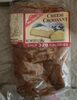
About this information
- Data from this product on Open Food Facts (barcode 5010084703327, last edited 27 March 2026), available under the Open Database License. If something is wrong or the recipe has changed, you can correct it there.
- Photo: Open Food Facts contributors, CC BY-SA 3.0.
- The NOVA group is an automated estimate from crowdsourced data: a missing or mistyped ingredient can change it.
- General information, not medical or dietary advice. Check the pack if you have an allergy.