Is Skittles Desserts ultra-processed?

Yes, it's ultra-processed
- 1 Unprocessed
- 2 Kitchen staple
- 3 Processed
- 4 Ultra-processed
Signs of ultra-processing in its ingredients:
- 25 ingredients
- 12 additives
- Nutri-Score E
Less processed candies


Ingredients
Ultra-processing Processing
sugar (processing marker), glucose syrup palm fat, acid (citric acid), dextrin (ultra-processing marker), maltodextrin (ultra-processing marker), flavourings (ultra-processing marker), modified starch (ultra-processing marker), colours (ultra-processing marker) (e162 (ultra-processing marker), e163 (ultra-processing marker), e170 (ultra-processing marker), e160a (ultra-processing marker), e100 (ultra-processing marker), e132 (ultra-processing marker)), acidity regulator (trisodium citrate), glazing agent (ultra-processing marker) (carnauba wax (ultra-processing marker)), product may contain an uneven mix of flavours, keep cool and dry, best before (see bottom), reference intake of an average adult, 8400 kj
Additives: E100 Curcumin , E132 Indigotine , E1400 Dextrin , E14XX Modified Starch , E160a Carotene , E162 Beetroot red , E163 Anthocyanins , E170 Calcium carbonates , E330 Citric acid , E331 Sodium citrates , E331iii Trisodium citrate , E903 Carnauba wax
As written on the pack
sugar, glucose syrup palm fat, acid (citric acid), dextrin, maltodextrin, flavourings, modified starch, colours (e162, e163, e170, e160a, e100, e132), acidity regulator (trisodium citrate), glazing agent (carnauba wax), product may contain an uneven mix of flavours, suitable for vegetarians, keep cool and dry, best before: see bottom, *reference intake of an average adult (8400 kj/
What makes it ultra-processed
Cosmetic additives
Added to change how the food looks, feels or tastes, not to keep it safe. A hallmark of ultra-processed food.
- E100 Curcumin Colours are substances which add or restore colour in a food, and include natural constituents of foods and natural sources which are normally not consumed as foods as such and not normally used as characteristic ingredients of food.
- E132 Indigotine Colours are substances which add or restore colour in a food, and include natural constituents of foods and natural sources which are normally not consumed as foods as such and not normally used as characteristic ingredients of food.
- E1400 Dextrin Dextrin is starch partly broken down by heat or acid, used as a thickener, binder and coating.
- E14xx Modified Starch Modified starches (E1400 to E1452) are starches treated physically, with enzymes or chemically so that they thicken and hold up to heating, freezing or acidity better than ordinary starch.
- E160a Carotene Carotenes are orange-yellow pigments, either synthesised or extracted from carrots, algae or palm oil.
- E162 Beetroot red Colours are substances which add or restore colour in a food, and include natural constituents of foods and natural sources which are normally not consumed as foods as such and not normally used as characteristic ingredients of food.
Show 7 more
- E163 Anthocyanins Colours are substances which add or restore colour in a food, and include natural constituents of foods and natural sources which are normally not consumed as foods as such and not normally used as characteristic ingredients of food.
- E170 Calcium carbonates Calcium carbonate is chalk.
- E903 Carnauba wax Carnauba wax comes from the leaves of a Brazilian palm and gives sweets and coated chocolates their shine.
- Colour Colours are added to restore colour lost in processing or to make a product look more appealing.
- Flavouring Flavourings are concentrated aroma preparations that add or intensify a taste.
- Glazing agent Glazing agents, waxes and shellac for example, coat a surface to make it shiny or stop pieces sticking together.
- Modified starch Modified starch is starch altered physically, with enzymes or chemically, so that it thickens, gels or survives freezing and heating better than ordinary starch.
Substances rarely used in home kitchens
Refined or extracted in factories, such as syrups made from starch or isolated proteins. The other hallmark of ultra-processed food.
- Maltodextrin Maltodextrin is a white powder made by partly breaking down starch.
4 ingredients that would only make it processed
Kitchen staples like sugar, salt and oil. On their own they make a food processed, not ultra-processed.
Among 486 candies
From least to most processed, this one ranks 468th. 96% of the candies here are ultra-processed.


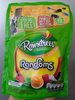
About this information
- Data from this product on Open Food Facts (barcode 4009900544788, last edited 8 July 2026), available under the Open Database License. If something is wrong or the recipe has changed, you can correct it there.
- Photo: Open Food Facts contributors, CC BY-SA 3.0.
- The NOVA group is an automated estimate from crowdsourced data: a missing or mistyped ingredient can change it.
- NOVA measures processing, not nutrition. For nutrition, Open Food Facts gives this product a Nutri-Score of E (from A, best, to E).
- General information, not medical or dietary advice. Check the pack if you have an allergy.