Is Blue Dragon Coconut Cream ultra-processed?

Yes, it's ultra-processed
- 1 Unprocessed
- 2 Kitchen staple
- 3 Processed
- 4 Ultra-processed
Signs of ultra-processing in its ingredients:
- 6 ingredients
- 2 additives
- Nutri-Score E
Less processed coconut creams


Ingredients
Ultra-processing Processing
Coconut 78%, Water, Emulsifier (ultra-processing marker) (e471 (ultra-processing marker)), Stabiliser (e466 (ultra-processing marker))
Additives: E466 Sodium carboxy methyl cellulose , E471 Mono- and diglycerides of fatty acids
As written on the pack
Coconut Extract (78%), Water, Emulsifier (E471), Stabiliser (E466).
What makes it ultra-processed
Cosmetic additives
Added to change how the food looks, feels or tastes, not to keep it safe. A hallmark of ultra-processed food.
- E466 Sodium carboxy methyl cellulose Carboxymethyl cellulose is a thickener made by chemically modifying cellulose from wood or cotton.
- E471 Mono- and diglycerides of fatty acids Mono- and diglycerides of fatty acids are made from fats and glycerol.
- Emulsifier Emulsifiers keep fat and water from separating, giving products a smooth, stable texture over a long shelf life.
Among 11 coconut creams
From least to most processed, this one ranks 8th. 45% of the coconut creams here are ultra-processed.
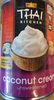

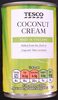

About this information
- Data from this product on Open Food Facts (barcode 5010338014964, last edited 25 May 2026), available under the Open Database License. If something is wrong or the recipe has changed, you can correct it there.
- Photo: Open Food Facts contributors, CC BY-SA 3.0.
- The NOVA group is an automated estimate from crowdsourced data: a missing or mistyped ingredient can change it.
- NOVA measures processing, not nutrition. For nutrition, Open Food Facts gives this product a Nutri-Score of E (from A, best, to E).
- General information, not medical or dietary advice. Check the pack if you have an allergy.