Is Sainsburys taste the difference 2 No Beef Steaks ultra-processed?

Yes, it's ultra-processed
- 1 Unprocessed
- 2 Kitchen staple
- 3 Processed
- 4 Ultra-processed
Signs of ultra-processing in its ingredients:
- 32 ingredients
- 2 additives
- Nutri-Score B
Less processed meat analogues


Ingredients
Ultra-processing Processing
Water, Mushroom 21%, Wheat Gluten (ultra-processing marker) 6%, Onions, Pea Flour, Coconut Milk 4% (Coconut Milk, Water), Pea Protein, Vegetable Suet (processing marker) (Sustainable Palm Oil, Rice Flour), Natural Flavouring (ultra-processing marker), Fortified Wheat Flour (Wheat Flour, Calcium Carbonate, Iron, Niacin, Thiamin), Stabiliser (Methyl Cellulose (ultra-processing marker)), Dried Onion, Pea Fibre (ultra-processing marker), Pea Starch (processing marker), Salt (processing marker), Yeast Extract, Cracked Black Pepper, Colour (ultra-processing marker) (Beetroot Red (ultra-processing marker)), Colour (ultra-processing marker) (Iron Oxide), Vitamin B12
Additives: E162 Beetroot red , E461 Methyl cellulose
As written on the pack
Water, Mushroom (21%), Wheat Gluten (6%), Onions, Pea Flour, Coconut Milk (4.0%) (Coconut Milk, Water), Pea Protein, Vegetable Suet (Sustainable Palm Oil, Rice Flour), Natural Flavouring, Fortified Wheat Flour (Wheat Flour, Calcium Carbonate, Iron, Niacin, Thiamin), Stabiliser: Methyl Cellulose, Dried Onion, Pea Fibre, Pea Starch, Salt, Yeast Extract, Cracked Black Pepper, Colour: Beetroot Red, Colour: Iron Oxide, Vitamin B12.
What makes it ultra-processed
Cosmetic additives
Added to change how the food looks, feels or tastes, not to keep it safe. A hallmark of ultra-processed food.
- E162 Beetroot red Colours are substances which add or restore colour in a food, and include natural constituents of foods and natural sources which are normally not consumed as foods as such and not normally used as characteristic ingredients of food.
- E461 Methyl cellulose Emulsifiers are substances which make it possible to form or maintain a homogenous mixture of two or more immiscible phases such as oil and water in a foodstuff.
- Colour Colours are added to restore colour lost in processing or to make a product look more appealing.
- Flavouring Flavourings are concentrated aroma preparations that add or intensify a taste.
Substances rarely used in home kitchens
Refined or extracted in factories, such as syrups made from starch or isolated proteins. The other hallmark of ultra-processed food.
- Gluten Wheat gluten, sold as "vital wheat gluten", is the protein washed out of wheat flour.
- Vegetable fiber Isolated plant fibres, such as inulin, oat fibre or bamboo fibre, are extracted industrially and added to change texture or support "source of fibre" claims.
3 ingredients that would only make it processed
Kitchen staples like sugar, salt and oil. On their own they make a food processed, not ultra-processed.
- Salt Salt, added for taste and preservation.
- Starch Starch extracted from cereals or potatoes, used to thicken.
- Vegetable fat Vegetable fats are oils that are solid at room temperature, such as palm or coconut fat.
Among 511 meat analogues
From least to most processed, this one ranks 374th. 80% of the meat analogues here are ultra-processed.
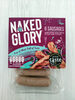


About this information
- Data from this product on Open Food Facts (barcode 00371780, last edited 27 March 2026), available under the Open Database License. If something is wrong or the recipe has changed, you can correct it there.
- Photo: Open Food Facts contributors, CC BY-SA 3.0.
- The NOVA group is an automated estimate from crowdsourced data: a missing or mistyped ingredient can change it.
- NOVA measures processing, not nutrition. For nutrition, Open Food Facts gives this product a Nutri-Score of B (from A, best, to E).
- General information, not medical or dietary advice. Check the pack if you have an allergy.