Is Nestlé White chocolate Smarties ultra-processed?

Yes, it's ultra-processed
- 1 Unprocessed
- 2 Kitchen staple
- 3 Processed
- 4 Ultra-processed
Signs of ultra-processing in its ingredients:
- 30 ingredients
- 11 additives
- Nutri-Score E
Less processed bonbons
-
chocolate orange dipped almonds
Deliciously Ella
7 ingredients · no additives
 NOVA group
3
NOVA group
3
-
Chocolate dipped almonds, vegan chocolate orange
Deliciously Ella
7 ingredients · no additives
 NOVA group
3
NOVA group
3
-
Chocolate dipped Almonds
Deliciously Ella
8 ingredients · no additives
 NOVA group
3
NOVA group
3
-
Salted Chocolate Dipped Almonds
Deliciously Ella
7 ingredients · no additives
 NOVA group
3
NOVA group
3
Ingredients
Ultra-processing Processing
sugar (processing marker), skimmed milk powder (processing marker), cocoa butter, wheat flour, butterfat (from milk), whey product (ultra-processing marker) (from milk), rice starch (processing marker), emulsifier (ultra-processing marker) (lecithins (ultra-processing marker)), potato starch (processing marker), colours (ultra-processing marker) (beetroot red (ultra-processing marker), beta-carotene (ultra-processing marker), curcumin (ultra-processing marker)), spirulina concentrate, glazing agents (ultra-processing marker) (carnauba wax (ultra-processing marker), beeswax (ultra-processing marker)), fruit and vegetable concentrates (safflower, radish), barley malt extract, acids (citric acid, acetic acid), acidity regulator (trisodium citrate), natural flavouring (ultra-processing marker)
Additives: E100 Curcumin , E160a Carotene , E160ai Beta-carotene , E162 Beetroot red , E260 Acetic acid , E322 Lecithins , E330 Citric acid , E331 Sodium citrates , E331iii Trisodium citrate , E901 White and yellow beeswax , E903 Carnauba wax
As written on the pack
sugar, skimmed milk powder, cocoa butter, wheat flour, butterfat (from milk), whey powder product (from milk), rice starch, emulsifier (lecithins), potato starch, colours (beetroot red, beta-carotene, curcumin), spirulina concentrate, glazing agents (carnauba wax, beeswax), fruit and vegetable concentrates (safflower, radish), barley malt extract, acids (citric acid, acetic acid), acidity regulator (trisodium citrate), natural flavouring
What makes it ultra-processed
Cosmetic additives
Added to change how the food looks, feels or tastes, not to keep it safe. A hallmark of ultra-processed food.
- E100 Curcumin Colours are substances which add or restore colour in a food, and include natural constituents of foods and natural sources which are normally not consumed as foods as such and not normally used as characteristic ingredients of food.
- E160a Carotene Carotenes are orange-yellow pigments, either synthesised or extracted from carrots, algae or palm oil.
- E162 Beetroot red Colours are substances which add or restore colour in a food, and include natural constituents of foods and natural sources which are normally not consumed as foods as such and not normally used as characteristic ingredients of food.
- E322 Lecithins Lecithins are fatty substances extracted mostly from soybeans, sunflower seeds or eggs, used as emulsifiers to keep fat and water mixed, for example in chocolate.
- E901 White and yellow beeswax A food additive used to dissolve, dilute, disperse or otherwise physically modify a food additive or nutrient without altering its function -and without exerting any technological effect itself- in order to facilitate its handling, application or use of the food additive or nutrient.
- E903 Carnauba wax Carnauba wax comes from the leaves of a Brazilian palm and gives sweets and coated chocolates their shine.
Show 4 more
- Colour Colours are added to restore colour lost in processing or to make a product look more appealing.
- Emulsifier Emulsifiers keep fat and water from separating, giving products a smooth, stable texture over a long shelf life.
- Flavouring Flavourings are concentrated aroma preparations that add or intensify a taste.
- Glazing agent Glazing agents, waxes and shellac for example, coat a surface to make it shiny or stop pieces sticking together.
Substances rarely used in home kitchens
Refined or extracted in factories, such as syrups made from starch or isolated proteins. The other hallmark of ultra-processed food.
- Whey Whey is the liquid left over from cheese making, usually dried into a powder and used as a cheap source of milk solids, protein and lactose.
- Whey product An ingredient mostly produced industrially and rarely used in home kitchens.
5 ingredients that would only make it processed
Kitchen staples like sugar, salt and oil. On their own they make a food processed, not ultra-processed.
- Chocolates Products in the category "Chocolates" are at least group 3.
- Starch Starch extracted from cereals or potatoes, used to thicken.
- Sugar Sugar refined from sugar cane or beet.
- Sweet snacks Products in the category "Sweet snacks" are at least group 3.
- Milk powder Milk powder is milk with the water evaporated off: a preserved form of a whole food rather than an industrial extract.
Among 193 bonbons
From least to most processed, this one ranks 175th. 94% of the bonbons here are ultra-processed.

About this information
- Data from this product on Open Food Facts (barcode 7613287912510, last edited 2 April 2026), available under the Open Database License. If something is wrong or the recipe has changed, you can correct it there.
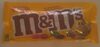
- Photo: Open Food Facts contributors, CC BY-SA 3.0.
- The NOVA group is an automated estimate from crowdsourced data: a missing or mistyped ingredient can change it.
- NOVA measures processing, not nutrition. For nutrition, Open Food Facts gives this product a Nutri-Score of E (from A, best, to E).
- General information, not medical or dietary advice. Check the pack if you have an allergy.